Motiva
|
Centenarians Project
Subway stations transformed into living museums, bringing the work of century-old geniuses of Brazilian culture into the daily lives of millions of passengers.
Client
Motiva
Date
Since 2024
We Deliver
Positioning
Curation
Exhibition Design
Brand Activations
Opportunity
Brazil is a country of immense cultural wealth, but much of it remains confined to museums and cultural centers that are not part of the daily lives of most people, especially the younger generations. This is what drives the Centenários Project, an initiative of the Motiva Institute—the social arm of the country’s largest mobility infrastructure company—to honor Brazilian artists who have reached their 100th birthday at stations along Line 4 (Yellow) of the São Paulo Metro. Our initial analysis shed light on the nature of the challenge: to create authentic, respectful, and accessible cultural experiences on a metropolitan scale within vibrant, bustling transit spaces governed by safety and traffic flow regulations.
Solution
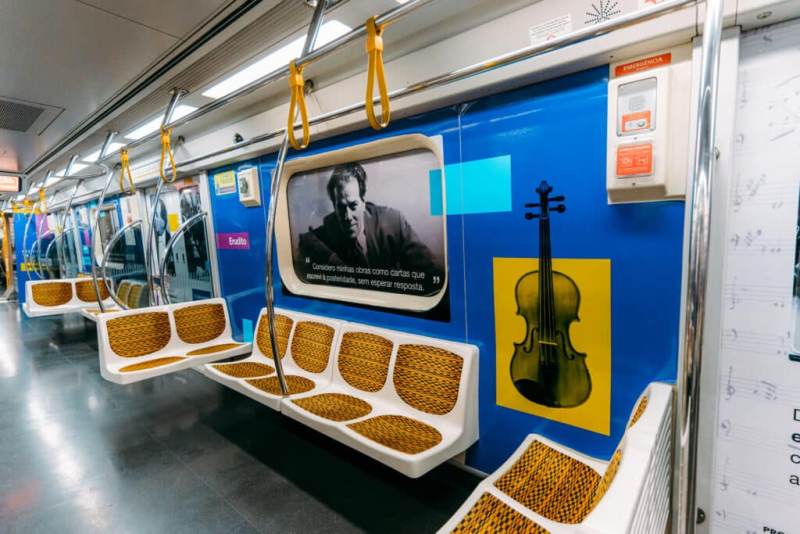
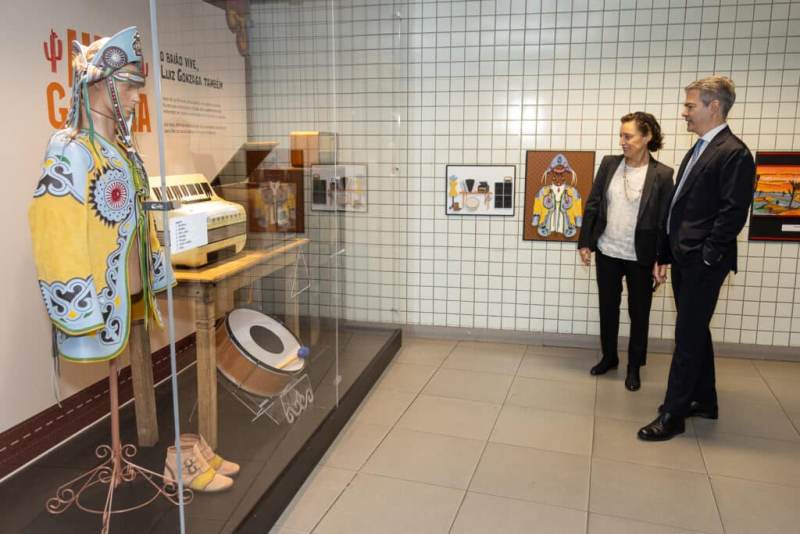
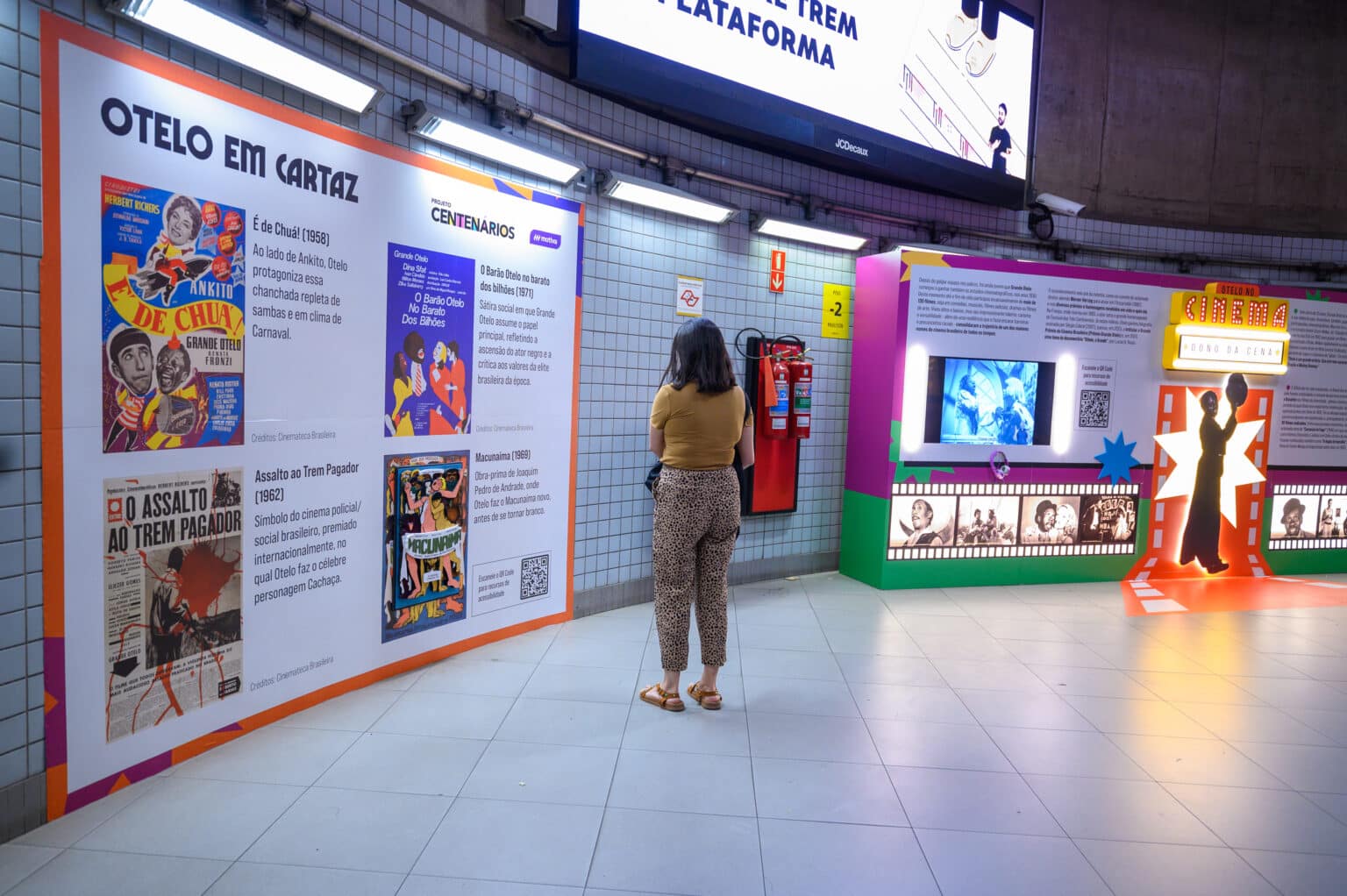
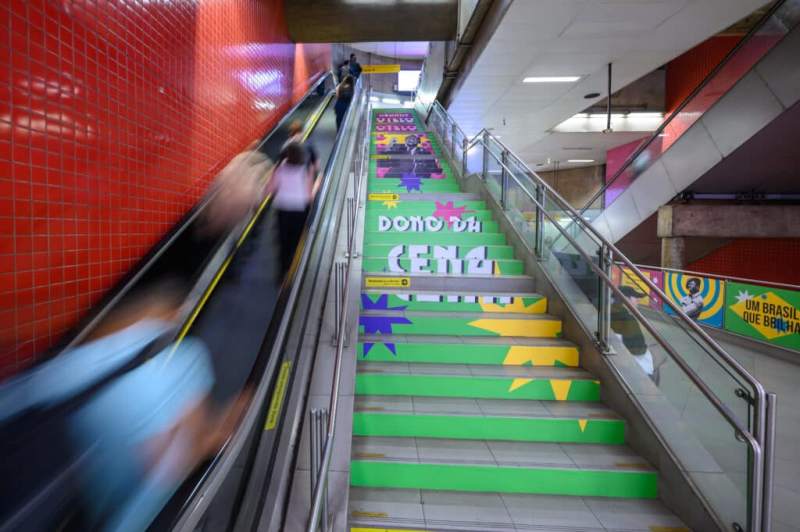
We structure each exhibition around the idea of transforming the station into a living museum—a cultural space integrated into the flow of daily life, where the essence of the artist—their works, quotes, images, instruments, and stories—meets passengers along their journey, without the barriers of ticket counters or a fixed program. While the curatorial team leads the selection of honorees, Profile is responsible for the concept, visual identity, design of the experiences, and touchpoints for each exhibition.
Each exhibition stems from in-depth research that is translated into works that embody the spirit of the honoree. With accessibility and sustainability as its cornerstones, the experience is designed to include Braille, audio descriptions, and tactile panels, in addition to a zero-waste and carbon-neutral certification for each installation.
The first stop was Pinheiros, with Heitor Villa-Lobos, followed by Clarice Lispector in Luz, Luiz Gonzaga in República, Grande Otelo on Paulista Avenue, Clementina de Jesus in Vila Sônia, Jorge Amado in Butantã, and Lina Bo Bardi on Fradique Countinho Street. Throughout the entire process, we maintained constant communication with the artists’ families to ensure that each exhibition honored the memory of those being celebrated.